

Key Highlights:
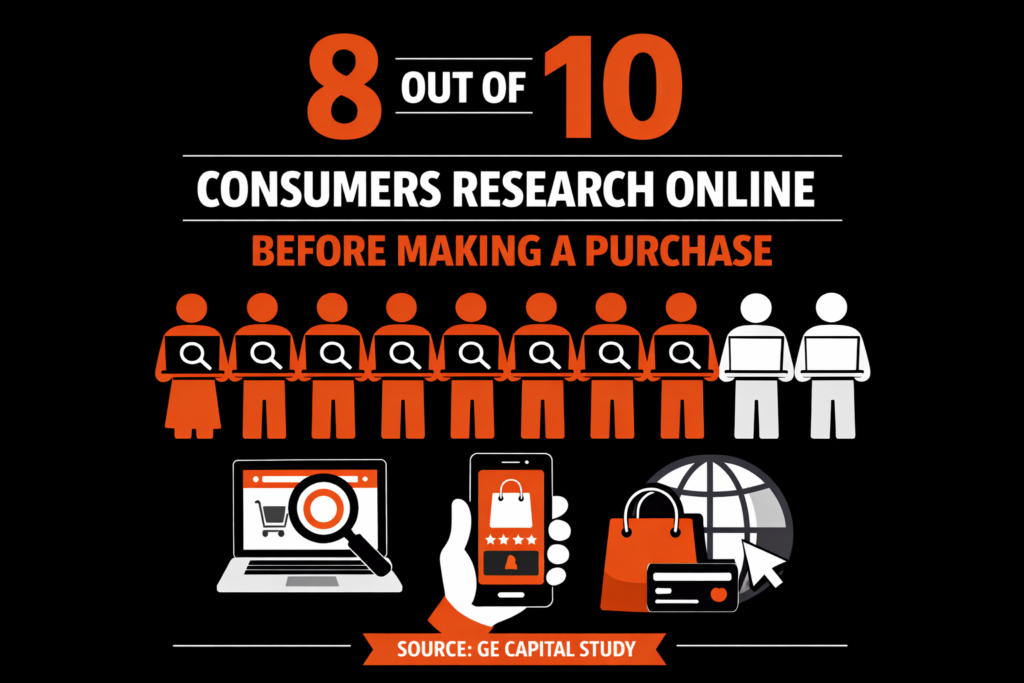
- 8 out of 10 consumers research online before making a purchase, as per a study by GE Capital.
- A clear and precise startup marketing plan fits the business goal with important digital channels like SEO, PPC, social media marketing, and content marketing.
- Content marketing in digital marketing strategy has a very important role in boosting organic traffic, establishing authority, and boosting inbound marketing efforts.
- Paid growth techniques like advertising, PPC, SEM, and digital ecommerce marketing help in generating leads at a faster pace.
- Digital social marketing and influencer marketing help in building brand reputation, engagement, and audience credibility.
Introduction:
Online research is the first step present customers take to know more about any business’s credibility. As per research by GE Capital, approximately 8 out of 10 consumers research online before making a purchase, highlighting important digital visibility in recent times.
By strengthening the importance of online visibility for businesses. With the changing digital behavior, marketing has taken a shift from just an online presence to a well-established strategic growth function, which in turn leads to a well-designed digital marketing strategy, which is vital for attracting, engaging, and converting consumers in this generation of the digital-first economy.
Over the years, digital marketing has evolved to help businesses to reach and influence their consumers. What started out focusing on just a simple online presence has shifted to a well-organized, data-driven approach where consumers now search, compare, and make a choice online. Numerous startups and growing businesses have felt this change firsthand—conventional marketing alone is just not enough. In this generation of a digital-first economy, a well-structured digital marketing strategy is very important to attract, engage, and convert customers who proactively research, analyze, and engage online. That’s the reason why digital marketing is no longer an option but a very significant function of business, which directly supports growth, brand credibility, and staying competitive in a huge and wide market, resulting in long-term success.
Startups usually face a budget limitation, which makes it a necessity to create a well-focused marketing strategy that helps in increasing the ROI. By blending digital and content marketing, search engine marketing, social media marketing, and inbound marketing, businesses can help attract the right audience and convert leads into potential customers. In this guide, we’ll explore how to plan, implement, and scale a digital marketing strategy that delivers substantial growth.
Build a Foundation with a Startup Marketing Plan:
A great digital marketing strategy always begins with a clear and proactive marketing plan. This foundation alone guarantees that all digital initiatives support business goals and brand credibility. Understanding the target audience is the very first step. A digital marketing strategist studies customer behavior and the demand in the market and identifies competitor gaps. This study confirms branding, development, and design decisions to fit in with the brand voice and makes sure the message aligns perfectly with consumer needs.
Setting up an objective is critical. Companies need to outline business goals, such as growing organically through SEO marketing, generating leads through inbound marketing, or increasing income with digital online marketing. Each objective should be aligned with clear and precise performance indicators. Selecting the right social media channel completes the foundation. To make sure all platforms follow the same framework, a digital channel marketing strategy should include SEO, SEM, content marketing, and social media marketing.
Leverage Content Marketing as the Core of Digital Marketing Strategy:
Content marketing is the core of organic growth in digital marketing. Clear and high-quality content educates audiences, creates authority, and drives sustainable growth over the period. Online content marketing consists of blogs, videos, case studies, and guides that answer consumer queries and solve real-time issues. This strategy builds the core of inbound marketing and assists in long-term SEO performance.
Content marketing and online marketing are very effective when they’re aligned with SEO. Keyword optimization, internal linking, and excellent long-form content help companies rank higher in search engines. Today’s audience wants quick, precise, and relevant insights. A digital marketing strategist can create content that can be useful, visible, and competitive in an AI-driven digital market by executing AEO and GEO strategies and wisely leveraging LLM. SEO expertise guarantees content reaches the right audience at the right time. Channel distribution is also very critical for creation. Digital channel marketing helps spread content through social media, email campaigns, and influencer marketing collaborations, which helps grow reach and engagement. Content marketing is no longer limited to rankings but also delivering the best response wherever users look.
Accelerate Growth with PPC, SEM, and Digital Ecommerce Marketing:
Sustainable approaches build long-term value, and paid channels provide faster results. Advertising, PPC, SEM, and digital online marketing are vital components for a well-balanced digital marketing strategy. PPC advertising allows startups to attract high-intent users at a rapid pace, ensuring full budget control with measurable ROI. When matched with digital marketing and strategy plans, PPC becomes an effective and powerful lead-generating tool.
SEM combines paid and organic initiatives, ensuring visibility at important stages in the buyer’s journey. SEM helps in generating leads, creating brand awareness, and brand positioning. Product advertisement, retargeting look-alike audiences, and landing page optimization are all examples of digital e-commerce marketing. Which helps in increasing sales while supporting a wider and broader digital and content marketing objective.
Leverage Digital Social Marketing & Influencer Marketing:
Digital social marketing helps businesses build meaningful and thoughtful relationships with the target audience. Social media marketing helps businesses promote brand awareness, interaction, and storytelling across platforms like Instagram, LinkedIn, and Facebook. If a startup is looking to build its trust value quickly, it can go for influencer marketing. Collaborating with relevant influencers helps brands reach a specific niche audience, which helps drive authentic engagement. When influencer and inbound marketing blend, the campaign feels natural and trustworthy. Social media platforms also help in boosting digital content marketing, which initiates driving traffic to the websites, blogs, and e-commerce stores, enforcing the overall digital channel marketing ecosystem.
Implement, Optimize, and Scale Your Digital Marketing Strategy:
A successful digital marketing strategy needs an appropriate implementation and continuous optimization. Implementation requires coordination in departments like design, development, content, SEO, PPC, and social media.
In the present time, everything is backed by data; making a data-driven decision is very important. Data helps in tracking brand performance across various channels, including traffic, conversions, engagement, and ROI. An excellent and skilled marketing strategist makes use of consumer insights to enhance campaigns and boost results.
Businesses need to promote their digital marketing strategy as they expand. This means increasing content marketing initiatives, boosting SEM and PPC investments, and optimizing inbound marketing workflow to strengthen its sustainable growth.
Conclusion:
A strong digital marketing strategy empowers startups and growing companies to compete, expand, and thrive in the competitive market. Startups can construct a cohesive marketing plan by combining digital and content marketing, SEO, PPC, social media marketing, and influencer marketing, creating an effective strategy.
With a clear and precise strategy, effective implementation, and ongoing optimization. If you are looking for a startup marketing plan to maximize business growth, start by auditing your brand. Audit-led marketing agencies like Quillon Marketing are a great source. They provide a free brand audit that helps analyze your existing brand impact. You can leverage their integrated marketing services to create a brand impression, build engagement, and generate quality leads.
Frequently Asked Questions (FAQs):
1. What is a digital marketing strategy for startups?
A digital marketing strategy is a well-organized plan that uses SEO, content marketing, PPC, social media marketing, and inbound marketing to effectively accomplish growth.
2. Why is content marketing important in digital marketing?
In digital marketing, content marketing increases trust, raises SEO rankings, supports inbound marketing, and provides long-term organic traffic.
3. How do PPC and SEO work together?
SEO establishes long-term authority, and PPC delivers quick visibility. When blended together, they create a holistic approach in digital marketing and strategy.
4. Is influencer marketing effective for startups?
Yes, influencer marketing assists startups in reaching a specific niche audience, gaining trust, and rapidly boosting engagement.
5. How long does it take to see results from digital marketing?
PPC and SEM can immediately show results, while SEO and digital content marketing usually take several months to provide results.